
How Structured Tours Enhance Safety During Adventure Travels Abroad
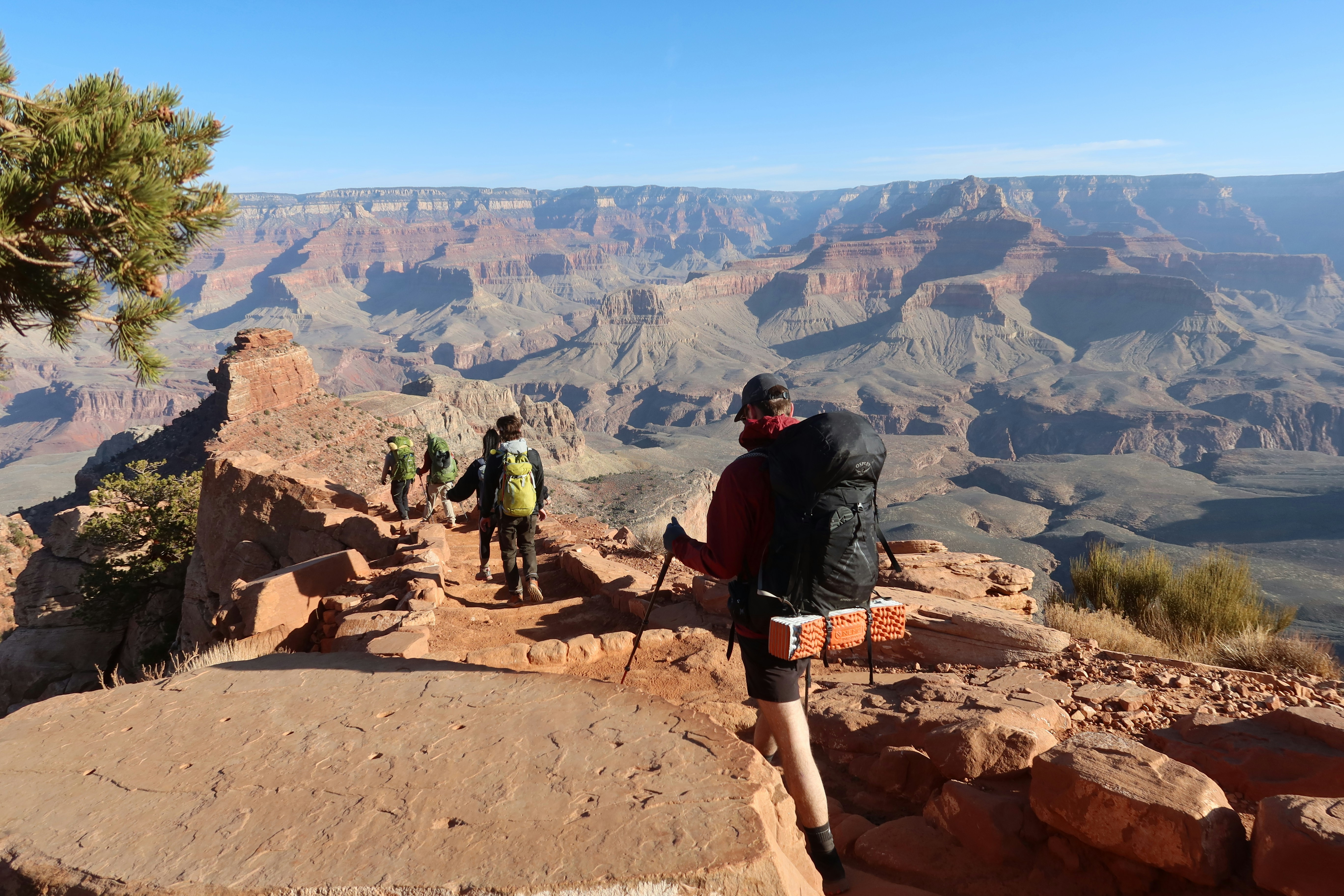
The Allure of Adventure Travel
Adventure travel offers a unique thrill, attracting those eager to explore unfamiliar terrains and cultures. Whether it's trekking through the Himalayas, diving in the Great Barrier Reef, or cycling across Europe, the possibilities are endless.
However, the way we choose to embark on these journeys—be it through structured tours or independent backpacking—can significantly impact the overall experience and safety.
Safety Considerations in Adventure Travel
One of the primary concerns during adventure travel is safety. From navigating unknown territories to understanding local laws and customs, there are myriad factors at play. Structured tours present a viable option for mitigating risks, offering guided expertise and support in unfamiliar environments.
Why Choose Structured Tours for Safety?
Structured tours, whether led by local experts or international agencies, offer several safety advantages:
- Expert Guidance: Professional guides have extensive knowledge of the terrain, weather conditions, and potential hazards, providing invaluable insight into staying safe.
- Emergency Preparedness: Tour companies often provide emergency plans and first-aid supplies, crucial in remote areas where help might not be readily accessible.
- Legal Compliance: Tour operators ensure that all activities comply with local regulations, reducing the risk of legal issues.
An example is exploring the rainforests of Costa Rica, where guided tours ensure travelers remain on safe paths, away from potentially dangerous wildlife.
The Flexibility Factor: Independence vs. Structure
While safety is paramount, the degree of flexibility offered by independent travel versus structured tours is another important consideration.
The Freedom of Independent Travel
Traveling independently allows for greater control over your itinerary. Backpackers often relish the freedom to spontaneously change plans, discover hidden gems, and immerse themselves fully in local cultures. However, this freedom comes with added responsibilities:
- Navigating logistics like transportation and accommodation without assistance.
- Potential language barriers that can complicate communications.
- Increased exposure to unanticipated situations without expert guidance.
The Convenience of Structured Tours
Structured tours offer a different form of flexibility—within a pre-planned framework. This structure enables travelers to focus on enjoyment rather than logistics. For instance, when exploring Machu Picchu, a structured tour can offer seamless transitions between activities, ensuring that travelers make the most of their time without logistical headaches.
Cultural Immersion: Balancing Depth and Discovery
Cultural immersion is often a priority for adventure travelers looking to understand new worlds and perspectives. The choice between independent travel and structured tours can influence the depth of these experiences.
Deep Dive with Local Guides
Structured tours frequently employ local guides who bring firsthand cultural insights. These guides provide context that enriches the travel experience, highlighting aspects that solo travelers might overlook. For instance, in Japan's rural villages, local guides can introduce travelers to traditional crafts and ceremonies not typically available to independent tourists.
The Adventure of Solo Discovery
Conversely, solo travelers have the freedom to engage with locals on a more personal level. Staying in homestays or participating in community projects often leads to unexpected friendships and unique experiences. For example, participating in a community festival while backpacking through India can offer an authentic perspective that structured tours might miss.
When to Opt for Structured Experiences
Choosing between structured tours and independent travel often depends on personal preferences and specific travel scenarios. Here are some factors to consider:
- Destination Complexity: Regions with complex logistics or heightened safety concerns often benefit from guided tours (e.g., Antarctica expeditions).
- Time Constraints: Travelers with limited vacation time may prefer structured tours that maximize their schedule efficiently.
- Specific Interests: Enthusiasts interested in specialized activities like bird watching or archaeology might gain more from expert-led tours.
A Practical Mini-Framework for Travel Decisions
This mini-framework helps evaluate when to choose structured tours over independent travel:
- Assess Your Priorities: Is your focus on safety, learning, or self-exploration?
- Evaluate Destination Characteristics: Consider political stability, language barriers, and ease of navigation.
- Budget Analysis: Compare costs of both travel styles relative to your budget constraints.
- Research Tour Operators: Look for reputable companies with positive reviews and relevant certifications.
Using this framework will assist in making informed decisions tailored to individual needs and enhance the travel experience—whether you opt for the security of a structured tour or the independence of planning your own path.