Exploring the Impact of Virtual Reality on Historical Education Practices
The Advent of Virtual Reality in Education
Virtual reality (VR) is transforming educational landscapes, particularly in historical studies. At its core, VR offers an immersive experience, enabling students to 'visit' different eras and places without leaving their classrooms.
This technology isn't merely a supplement; it reinvents how history is taught by fostering deeper engagement and understanding.
A Pioneering School: Immersive Historical Experiences
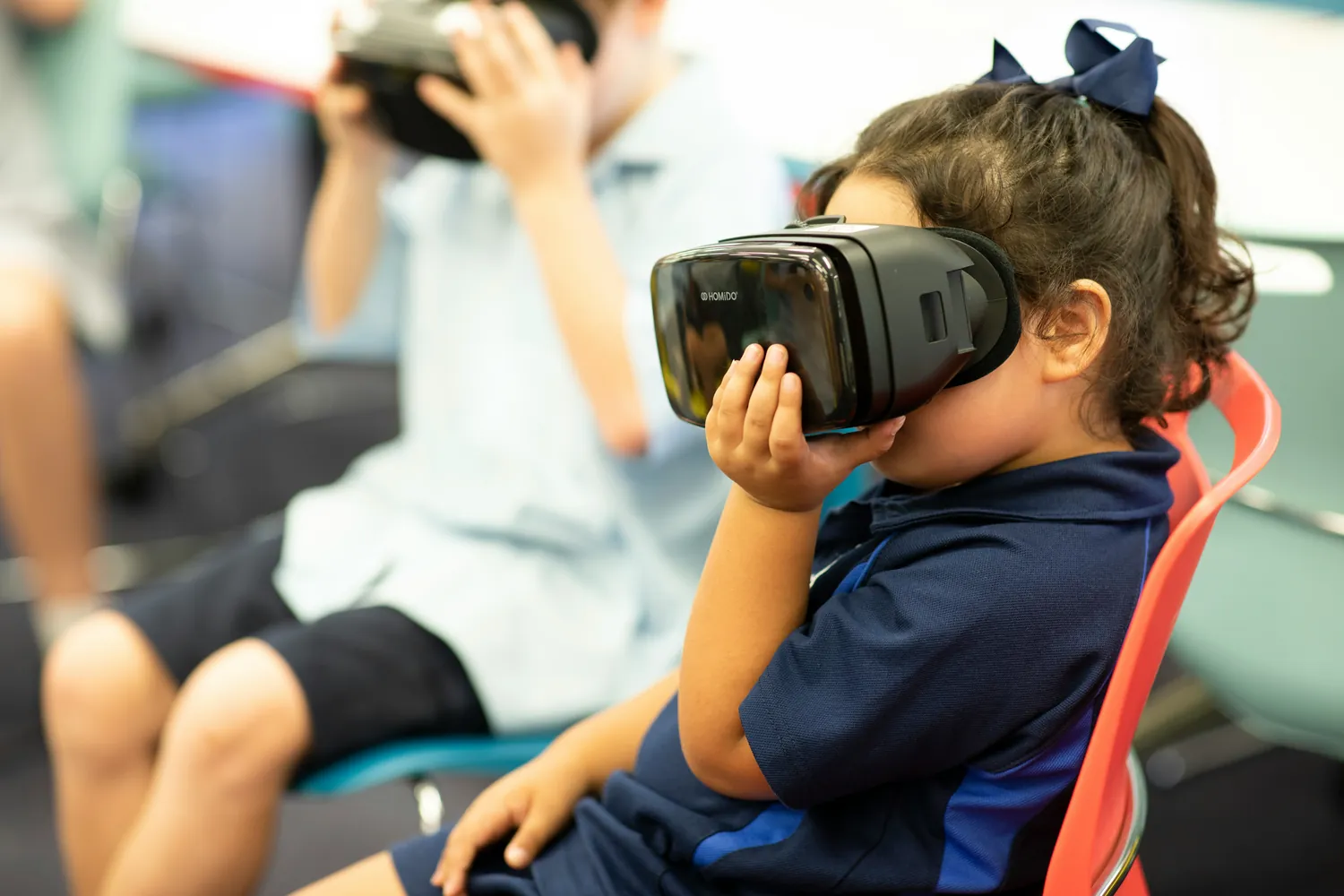
One innovative school, located in Northern California, has been at the forefront of integrating VR into its curriculum. With a mission to make history come alive for students, this school offers VR experiences that allow students to walk through ancient cities, witness pivotal battles, or even engage with historical figures in realistic simulations.
For instance, during a module on ancient Egypt, students don VR headsets to explore a faithfully reconstructed city of Thebes. Here, they can interact with various elements of daily life and culture, gaining insights that traditional textbooks cannot provide.
How It Works
- Curriculum Development: Educators work closely with VR developers to align content with educational standards and objectives. This collaboration ensures the experiences are not only engaging but also pedagogically sound.
- Lesson Integration: Each VR session is carefully integrated into the broader curriculum. Teachers prepare pre-visit lessons to familiarize students with the context, while post-visit discussions help consolidate learning.
- Feedback and Iteration: After each session, students provide feedback on their experiences. This feedback loop allows educators to refine and adapt future sessions, enhancing educational outcomes continually.
The Impact on Students
The shift towards VR in historical education has produced remarkable results. Students exhibit higher retention rates and express greater enthusiasm for history classes. According to one teacher, "Students who were once disengaged in traditional settings now show a profound interest in the subject matter."
A case study conducted within the school highlighted that VR sessions increased student test scores by an average of 20%. The immersive nature of VR helps students form lasting memories associated with the material they explore.
Challenges and Solutions
Despite its benefits, integrating VR into education poses several challenges. Equipment costs and technical difficulties can hinder implementation. However, this school has navigated these challenges creatively:
- Funding and Grants: The school secured funding from local businesses and educational grants, easing financial burdens.
- Technical Support: A dedicated IT team ensures that all equipment functions smoothly, minimizing downtime and maximizing classroom time.
- Teacher Training: Regular professional development sessions help teachers stay updated on VR technology and its applications in education.
Practical Tips for Schools Considering VR
For schools interested in adopting VR for historical education, here are some practical tips:
- Start Small: Begin with a pilot program to gauge interest and determine logistical needs.
- Engage Stakeholders: Involve teachers, parents, and students in planning and decision-making processes to ensure buy-in and support.
- Evaluate Continuously: Establish metrics for success and regularly assess whether VR sessions meet educational goals.
The Future of Historical Education with VR
The potential of VR in education extends far beyond history. As technology advances, we can expect even more sophisticated simulations that offer richer learning experiences. For now, the success stories from pioneering schools like the one in Northern California pave the way for others to follow, promising a future where history is not just learned but lived.