
Analyzing Quantum Computing Challenges: Error Rates and Scalability Issues
Understanding the Core of Quantum Computing
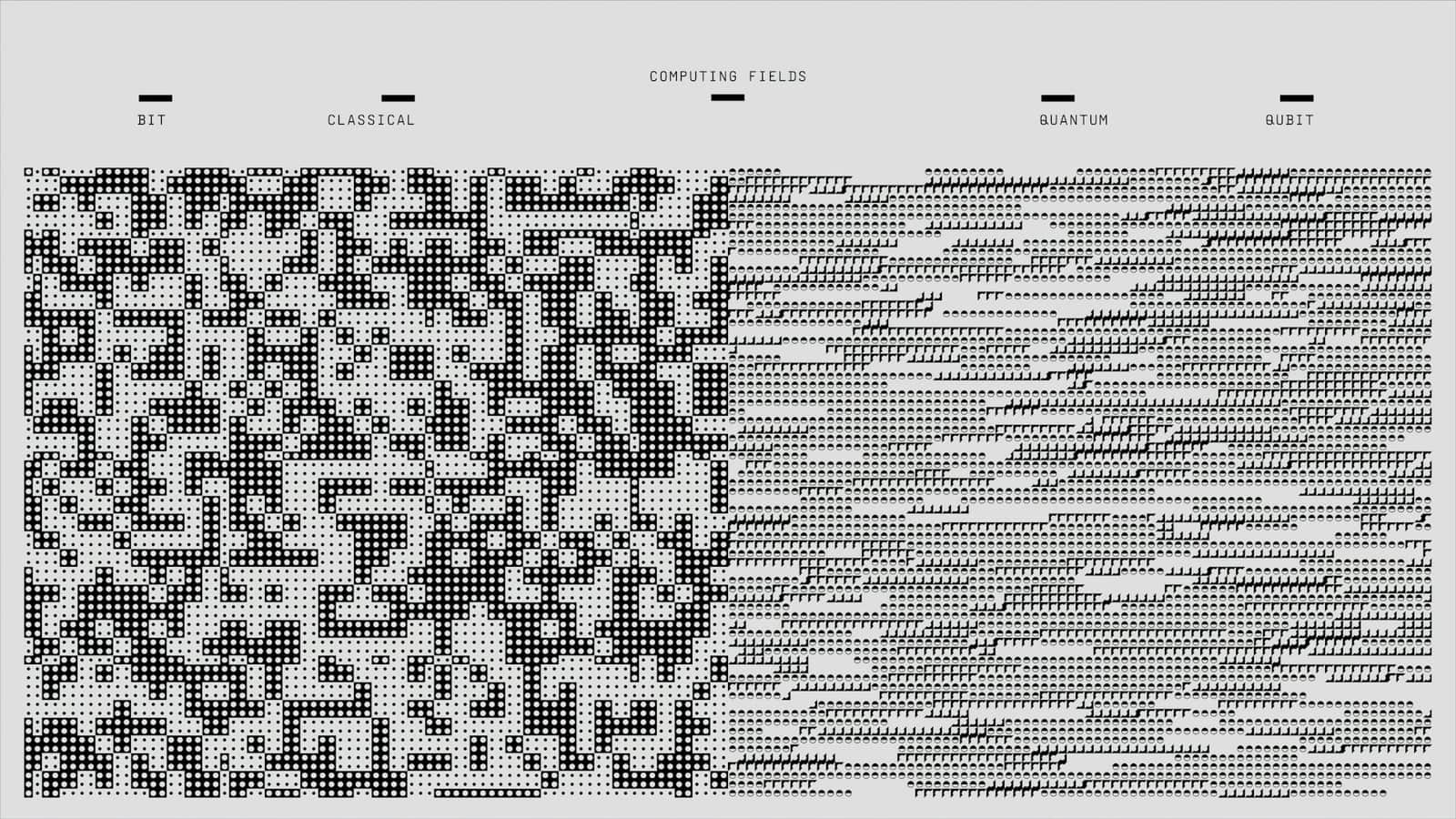
Quantum computing represents a revolutionary leap from traditional computing paradigms, leveraging principles of quantum mechanics to process information in ways that classical computers cannot. At its heart, quantum computing relies on qubits, which differ fundamentally from classical bits.
While a classical bit can exist in a state of 0 or 1, a qubit can be in a superposition of states, potentially offering unprecedented computational power.
Despite its potential, the path to practical quantum computing is fraught with significant challenges, notably high error rates and issues of scalability. These obstacles currently limit the deployment of quantum technologies across industries, necessitating breakthroughs for broader applicability.
Why Error Rates Matter
Error rates in quantum computing are pivotal because they directly affect the reliability and accuracy of computations. In classical computing, errors are rare and typically manageable through established error correction techniques. In contrast, quantum systems are inherently more prone to errors due to the delicate nature of qubits.
The Nature of Qubit Errors
Qubits can experience two primary types of errors: bit-flip and phase-flip. A bit-flip error changes a qubit's state from 0 to 1 or vice versa, while a phase-flip alters the phase relationship between states without changing the state itself. Both types of errors can occur simultaneously, leading to what is known as a quantum decoherence, which disrupts superposition states crucial for quantum computations.
Current Error Mitigation Strategies
- Quantum Error Correction Codes: These codes are designed to detect and correct errors without measuring the qubits directly, which would otherwise collapse their superpositions. Implementations such as the Shor and Surface codes are promising but require substantial overhead, often needing many more physical qubits per logical qubit.
- Fault-Tolerant Quantum Computing: This approach focuses on developing algorithms and hardware resilient to errors, ensuring computations can proceed correctly even when individual components fail.
The challenge remains balancing error correction requirements with feasible system complexity and resource demands.
The Scalability Challenge
Scalability involves expanding quantum systems to handle complex problems effectively. The current quantum computers are largely experimental, with systems containing relatively few qubits (generally fewer than 100). To address more practical problems and compete with classical supercomputers, we need machines capable of managing thousands, if not millions, of qubits.
Hardware Limitations
The development of scalable hardware is constrained by several factors:
- Physical Isolation: Qubits must be isolated from environmental interference to maintain coherence, yet they also need to interact effectively with each other for computation.
- Interconnectivity: Creating robust connections between qubits without degrading performance is technically challenging.
- Cooling Requirements: Many quantum systems operate at near absolute zero temperatures to minimize thermal noise, necessitating complex refrigeration setups that are not easily scaled.
Software and Algorithmic Scalability
The software side is equally crucial. Quantum algorithms must be designed to scale efficiently with system size. Approaches like Quantum Approximate Optimization Algorithm (QAOA) show promise in solving specific types of optimization problems as systems grow. However, identifying a broader range of scalable algorithms remains an ongoing area of research.
Future Breakthroughs Needed
The journey towards practical quantum computing requires both incremental advancements and groundbreaking discoveries:
- Materials Science Innovations: Developing new materials that support stable qubits at higher temperatures could alleviate cooling constraints.
- Topological Qubits: These qubits use exotic matter phases to naturally resist certain types of errors, potentially reducing error rates significantly without complex corrections.
- Quantum Internet Development: A networked approach could distribute quantum processing tasks across different locations, mitigating some scalability issues inherent in single systems.
A Collaborative Approach
The complexity of these challenges necessitates collaborative efforts across disciplines. Physicists, engineers, computer scientists, and industry leaders must work together, pooling insights and resources to push boundaries. For instance, partnerships between technology firms and academic institutions are already fostering environments where theoretical ideas meet practical experiments.
Real-World Scenarios and Implications
The implications of overcoming these challenges extend beyond academia into industries such as pharmaceuticals, finance, and logistics. Consider a pharmaceutical company aiming to simulate complex molecular interactions; current limitations in computational power make this an arduous task. Quantum computing could revolutionize drug discovery processes by enabling precise simulations at speeds unattainable by classical computers.
Similarly, in finance, quantum algorithms could optimize large portfolios instantly, providing strategic insights in real-time trading scenarios previously hindered by processing delays.
A Practical Checklist for Industry Leaders
- Stay Informed: Regularly update your understanding of quantum advancements through reputable sources such as scientific journals and technology conferences.
- Invest in Talent: Employ individuals skilled in both quantum theory and practical applications to bridge the gap between theoretical potential and industrial use.
- Explore Partnerships: Collaborate with tech companies and research institutions to gain early access to emerging technologies and share development risks.
- Pilot Projects: Start with small-scale projects that can incrementally incorporate quantum capabilities into existing workflows.
By taking these steps, industries can position themselves at the forefront of this technological revolution.
Conclusion
The field of quantum computing stands on the brink of transforming numerous sectors through superior computational abilities. However, significant challenges related to error rates and scalability must first be addressed. As research progresses and technology evolves, we may soon see breakthroughs that redefine what's possible in computation. Staying engaged with this dynamic field offers both challenges and opportunities as we navigate toward a future enriched by quantum advancements.