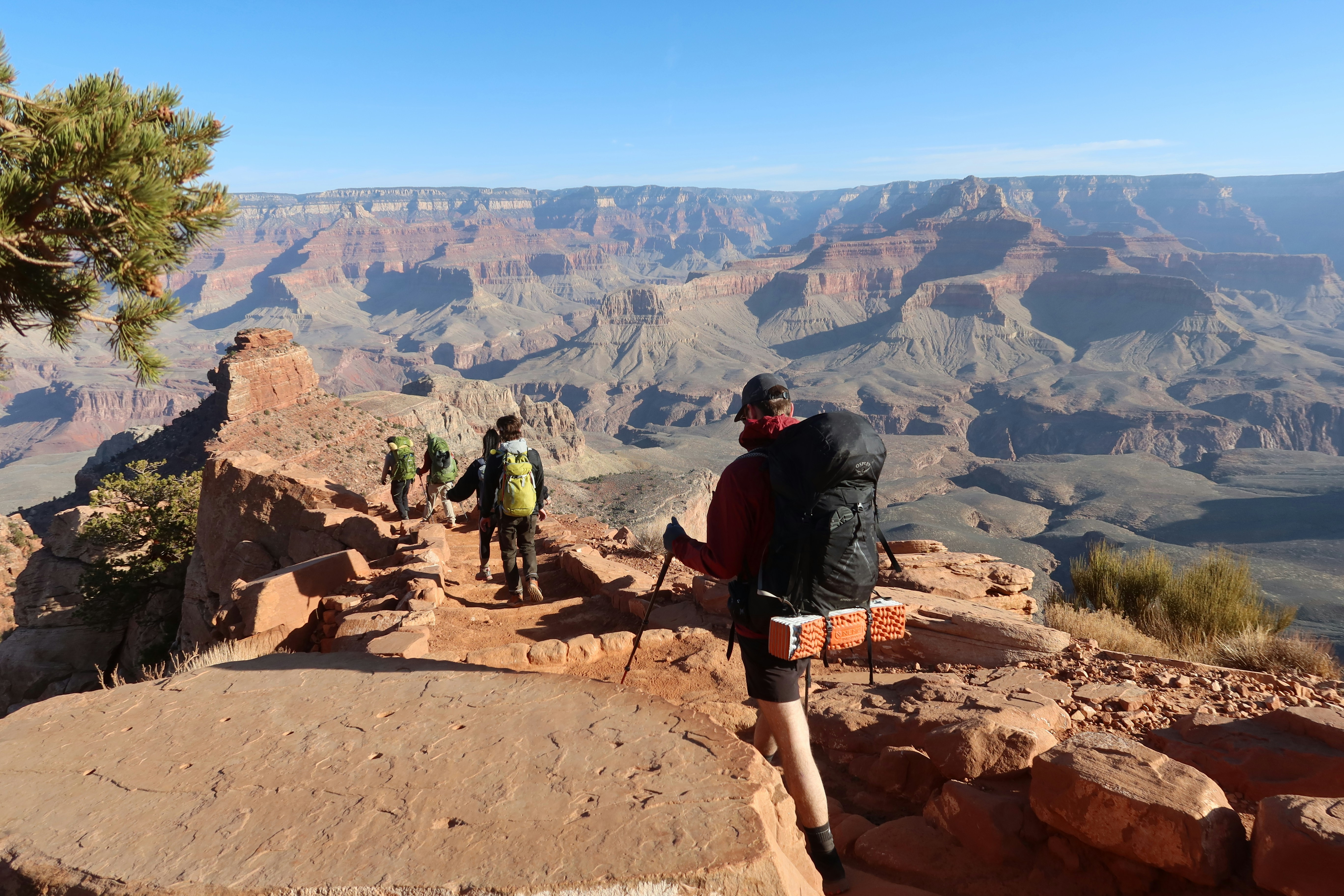
Best Practices for Sustainable Experiences in America’s Scenic Landscapes
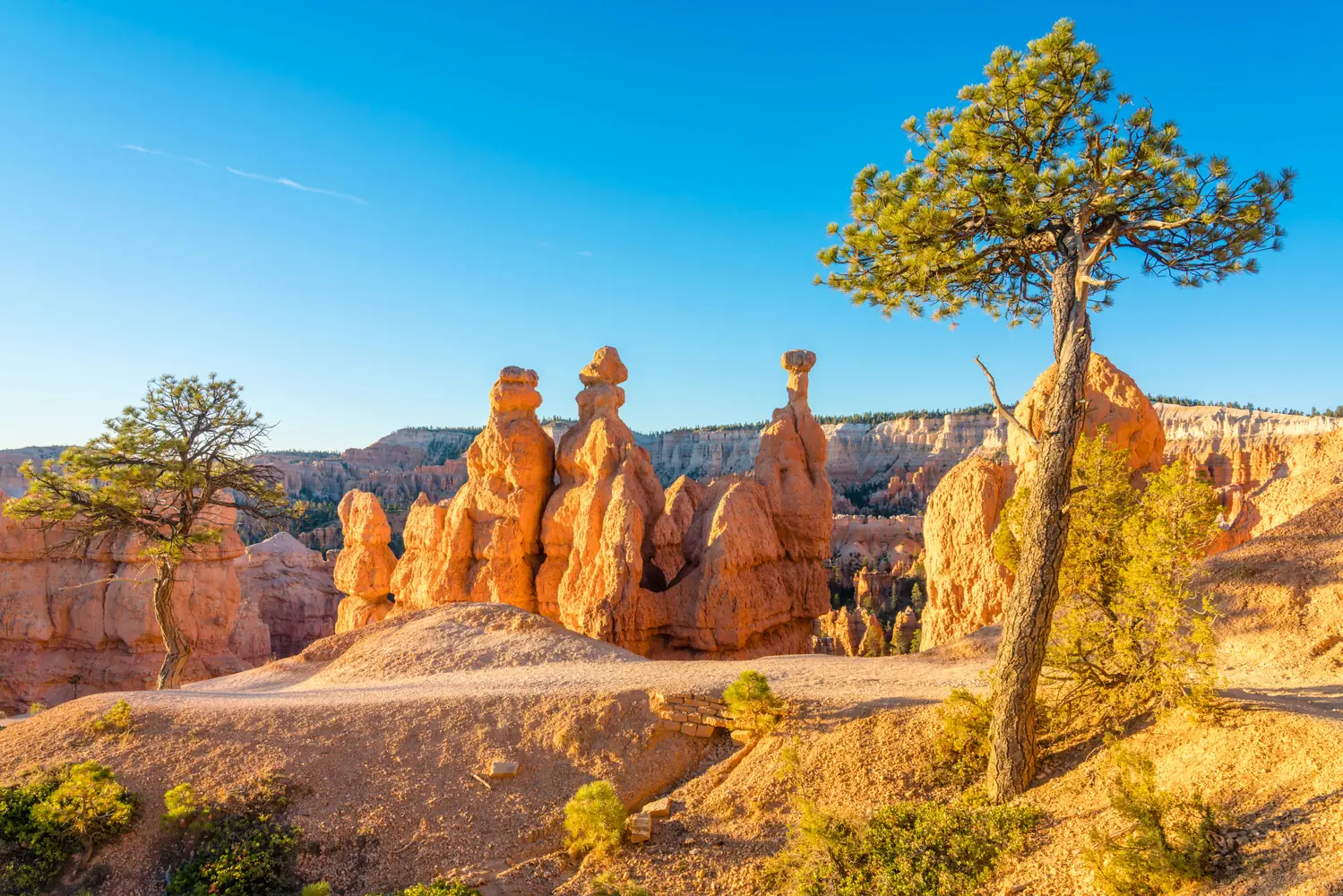
Embracing Sustainability in U.S. National Parks
America's national parks offer some of the most breathtaking landscapes and diverse ecosystems in the world. However, with millions of visitors each year, these precious areas face significant ecological pressures.
Adopting sustainable travel practices can help preserve these natural wonders for future generations while enhancing your own experience.
Plan Ahead to Minimize Impact
Effective planning is the cornerstone of a sustainable park visit. Start by researching the park you intend to visit. Learn about its specific regulations, seasonal weather patterns, and potential environmental concerns. This information will enable you to pack appropriately and avoid contributing to ecological harm.
- Pack Light and Smart: Reduce waste by bringing reusable water bottles, utensils, and containers. Avoid single-use plastics.
- Choose Eco-Friendly Products: Opt for biodegradable soaps and sunscreens that won't harm aquatic life if you plan to swim or paddle.
- Travel Off-Peak: Visiting during less busy seasons reduces strain on park resources and allows for a more tranquil experience.
Leave No Trace Principles
The Leave No Trace Center for Outdoor Ethics provides guidelines that are crucial for minimizing human impact on natural environments. By adhering to these principles, visitors can enjoy and preserve parks simultaneously.
- Plan Ahead and Prepare: Educate yourself about the park's rules and conditions.
- Travel and Camp on Durable Surfaces: Stick to marked trails and campsites to prevent soil erosion and habitat disturbance.
- Dispose of Waste Properly: Pack out all trash, leftover food, and litter. Use restrooms or bury human waste in a cat hole 6-8 inches deep, at least 200 feet away from water sources.
- Leave What You Find: Preserve the past by not picking plants or taking rocks.
- Minimize Campfire Impact: Use a lightweight stove for cooking and enjoy campfires only where permitted, using established fire rings.
- Respect Wildlife: Observe animals from a distance without feeding them.
- Be Considerate of Other Visitors: Respect other visitors by keeping noise levels low and yielding the trail to others when needed.
Support Local Economies
Sustainable tourism extends beyond environmental conservation to include support for local communities. Here are some ways to contribute positively to local economies while visiting national parks:
- Shop Local: Purchase souvenirs and necessities from local businesses rather than chain stores. This practice supports local artisans and keeps money within the community.
- Dine Responsibly: Enjoy meals at locally-owned restaurants or food markets. This choice not only supports the local economy but also gives you a taste of regional flavors.
- Hire Local Guides: Enhance your experience by hiring local tour guides. They offer valuable insights into the area's history, culture, and wildlife, providing a richer travel experience.
Sustainable Transportation Options
Transportation accounts for a significant portion of the carbon footprint associated with tourism. Consider these options to reduce your environmental impact:
- Carpool or Use Public Transport: Traveling with others or using public transportation can significantly reduce emissions per person.
- Electric Vehicles (EVs): Many parks have installed charging stations for electric vehicles, making them an eco-friendly choice for road trips.
- Biking and Walking: Opt for cycling or walking within parks when possible. This method not only reduces carbon emissions but also offers an immersive way to experience the landscape.
The Role of Technology in Sustainable Travel
Technology can be leveraged to enhance sustainable travel efforts. Utilize apps and platforms designed to promote eco-friendly tourism:
- Parks Apps: Many national parks offer official apps with maps, safety alerts, and educational content that help visitors plan low-impact visits.
- Sustainability Calculators: Use online tools to calculate the carbon footprint of your trip, enabling you to make more informed decisions about travel modes and accommodations.
Advocacy and Education
Sustainable practices should be shared and promoted among fellow travelers. Be an advocate by educating others on responsible tourism practices:
- Share Your Experiences: Use social media to highlight your sustainable choices and encourage others to follow suit.
- Provide Feedback: If you notice practices that could be improved within park facilities, provide constructive feedback through official channels.
The Future of Sustainable Tourism
The sustainable tourism movement is gaining momentum as more travelers seek meaningful experiences that respect natural environments. Continued advocacy, education, and conscious decision-making will drive this transformation, ensuring that America's scenic landscapes remain pristine for future generations to explore.