
Urban Agriculture Investments: The Rise of Vertical Farms in Metropolises
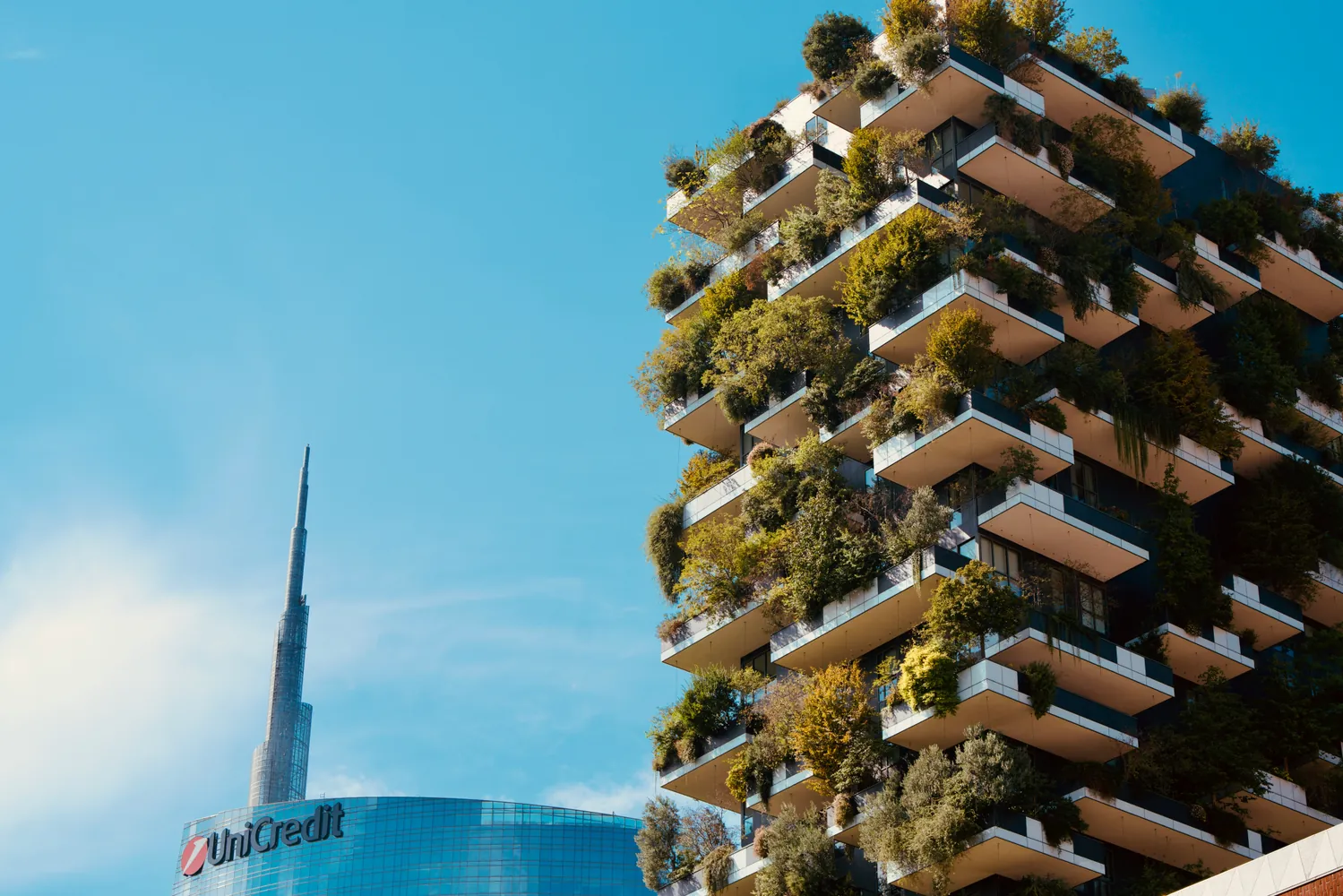
Exploring the Growth of Vertical Farms in Urban Settings
The rise of vertical farms in metropolises is reshaping the landscape of urban agriculture, offering a sustainable solution to food production amidst limited space. With increasing urbanization, cities like New York and Tokyo are turning to vertical farming to address food security and sustainability concerns.
These innovative farms stack layers of crops vertically, optimizing the use of space while employing cutting-edge technologies to maximize efficiency.
Vertical farming involves cultivating plants in vertically stacked layers, often integrating controlled-environment agriculture, which optimizes plant growth through precise control of variables such as light, temperature, and humidity. This method significantly reduces the land footprint needed for traditional farming and allows for year-round crop production, making it particularly attractive for densely populated urban areas.
Why Invest in Vertical Farms?
As global demand for sustainable food sources rises, investing in vertical farms offers promising opportunities. Here are some compelling reasons:
- Sustainability: Vertical farms consume up to 95% less water than traditional farming methods and reduce transportation emissions by growing produce near urban centers.
- Market Potential: With an anticipated market value exceeding $10 billion by 2027, the vertical farming sector presents lucrative growth opportunities.
- Technological Advancements: Innovations in LED lighting, hydroponics, and automation improve yield efficiency and crop quality, attracting tech-savvy investors.
Case Studies: Success Stories from New York and Tokyo
New York: Gotham Greens
Gotham Greens exemplifies the success of vertical farming in New York City. Founded in 2011, this company has established multiple rooftop greenhouses across the city, producing fresh vegetables year-round. Gotham Greens utilizes hydroponic systems to grow leafy greens, herbs, and tomatoes without soil, minimizing water usage and eliminating the need for pesticides.
The company's business model focuses on local distribution, reducing transportation costs and carbon footprint while ensuring fresh produce reaches consumers quickly. Gotham Greens' success has attracted significant investments, enabling expansion into other states and illustrating the economic viability of urban agriculture investments.
Tokyo: Mirai's Technological Prowess
In Tokyo, Mirai operates one of the world's largest indoor vertical farms. This facility produces over 10,000 heads of lettuce per day using advanced LED technology to mimic natural sunlight and optimize plant growth cycles. Mirai's farm demonstrates how technological innovation can drive efficiency and sustainability in agriculture.
Investors are drawn to Mirai's model due to its scalability and potential to revolutionize food production in urban areas with limited land resources. As urban populations continue to grow, Mirai's approach serves as a blueprint for sustainable farming practices worldwide.
Financial Viability: Key Considerations for Investors
Investing in vertical farms requires careful consideration of several financial factors:
- Initial Capital Investment: Establishing a vertical farm involves significant upfront costs for infrastructure and technology. Investors should assess the cost-benefit ratio based on projected yields and market prices.
- Operational Costs: While vertical farms can reduce certain expenses like land rent, they may incur higher costs related to energy consumption and technology maintenance.
- Market Demand: Understanding consumer trends and demand for organic and locally-sourced produce is crucial for gauging profitability.
Successful investments often hinge on strategic location selection, technological partnerships, and efficient resource management.
Sustainability: Environmental Impact of Vertical Farming
Vertical farms offer substantial environmental benefits:
- Reduced Carbon Footprint: By locating farms near urban centers, transportation emissions are minimized.
- Water Conservation: Advanced irrigation techniques drastically reduce water usage compared to conventional agriculture.
- Pesticide-Free Produce: Controlled environments eliminate the need for chemical pesticides, resulting in healthier food options.
These benefits align with increasing consumer awareness and demand for eco-friendly products, positioning vertical farming as a sustainable investment choice.
Implementing a Vertical Farm: A Step-by-Step Workflow
For investors considering venturing into vertical farming, here's a simplified workflow:
- Research & Planning: Conduct thorough market research to understand demand dynamics and competitive landscape. Identify potential sites based on proximity to target markets.
- Select Technology Partners: Choose technology providers specializing in hydroponic systems, LED lighting, and climate control solutions to ensure operational efficiency.
- Secure Funding: Assess financing options, including venture capital, government grants, or partnerships with established agricultural firms.
- Infrastructure Development: Design and construct facilities tailored to specific crop requirements. Implement automation technologies to optimize labor efficiency.
- Cultivation & Marketing: Begin cultivation with a focus on quality control. Develop marketing strategies emphasizing freshness, sustainability, and local sourcing.
The Future of Urban Agriculture Investments
The future of urban agriculture investments lies in continuous technological innovation and adaptation to changing market demands. As more cities embrace sustainable development goals, the integration of vertical farming into urban planning will become increasingly prevalent. Investors who recognize the potential of these green technologies stand to benefit from both financial returns and contributions to environmental sustainability.
The success stories from New York and Tokyo serve as compelling examples of what can be achieved when innovation meets investment. By capitalizing on the growing trend towards sustainable living, investors have the opportunity to shape the future of food production while achieving their financial objectives.