Urban Parks: A Catalyst for Improved Mental Wellness Among Youth

The Importance of Green Spaces in Urban Areas
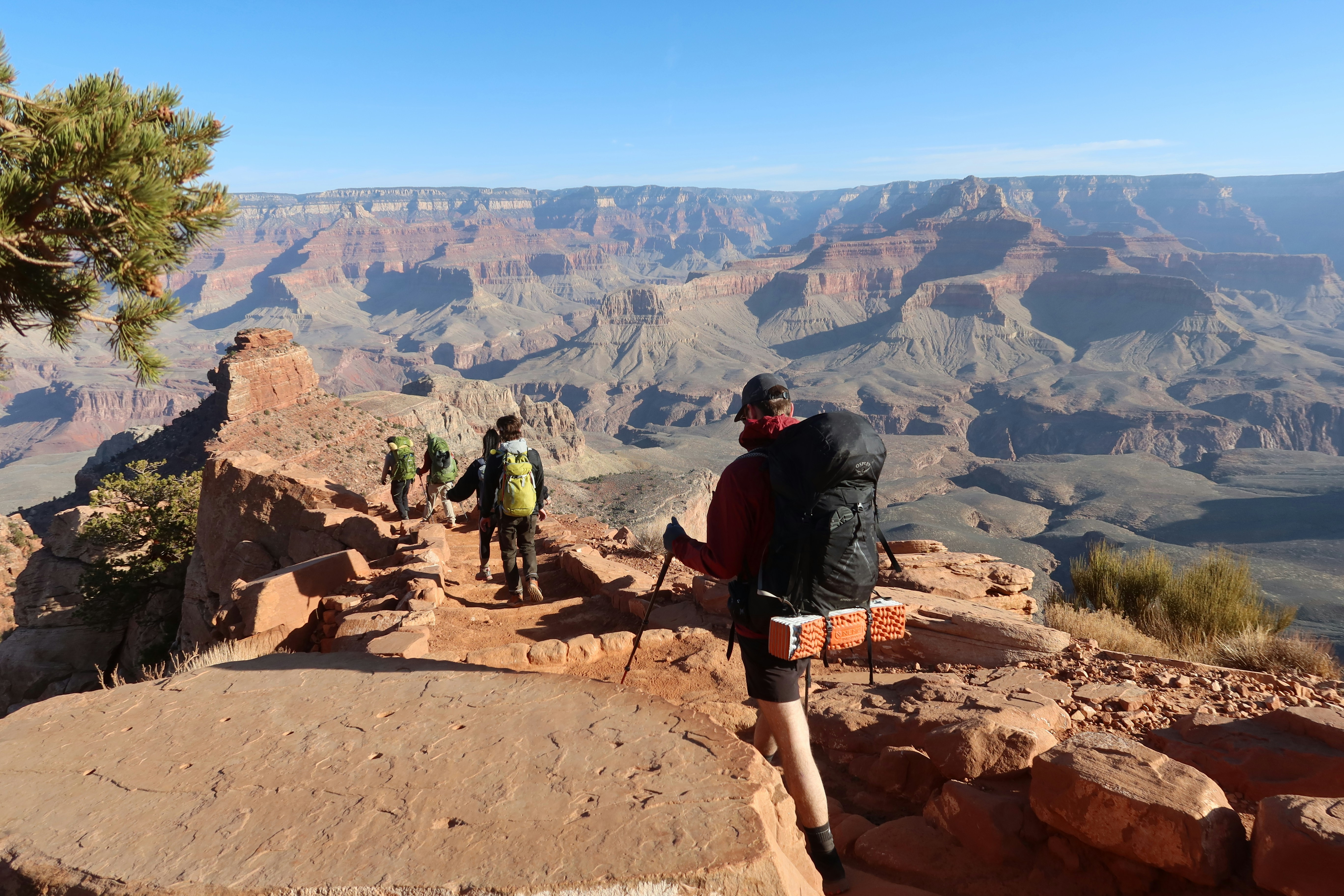
In an era where urbanization continues to rise, the availability of natural spaces in cities has become more critical than ever. Green spaces, such as urban parks, not only enhance the aesthetic value of a city but also play a crucial role in the mental and physical health of its inhabitants.
This is particularly true for children and adolescents, who are in formative years of development.
Research indicates that exposure to nature can significantly reduce stress levels, improve mood, and even boost cognitive performance. For youth living in concrete-heavy environments, access to these pockets of green can offer a necessary respite from the pressures of urban life.
Case Study: Chicago's 606 Trail
One exemplary initiative is Chicago's 606 Trail, a converted rail line transformed into a vibrant green space. Stretching across multiple neighborhoods, it provides safe routes for walking, cycling, and family outings. Since its inception, the trail has become a hub for community interaction and youth engagement.
The Chicago Park District actively organizes events on the 606 Trail, including outdoor yoga sessions and nature walks. These programs encourage physical activity and social interaction among children, creating an environment where they can develop friendships outside of digital screens.
Impact on Local Youth
Local schools have integrated visits to the 606 Trail into their curricula, emphasizing environmental education and the importance of physical fitness. Students participate in cleanup events, learning about environmental stewardship while gaining practical experience in community service.
Innovative Programs Promoting Outdoor Play
Cities worldwide have begun to recognize the significance of urban parks in fostering mental wellness among young people. Many have implemented innovative programs that harness the natural environment to promote outdoor play and social interaction.
- Nature Play Zones: These areas within parks are designed specifically for unstructured play. They include natural elements like logs, water features, and climbing structures made from recycled materials. Such zones stimulate creativity and problem-solving skills.
- Green Exercise Initiatives: These programs encourage physical activity through organized sports or group exercises held in park settings. Cities like Melbourne have introduced 'Parkour Parks' where young individuals practice agility-focused activities, enhancing both physical fitness and mental concentration.
Case Study: Singapore's Gardens by the Bay
Singapore has long been a pioneer in integrating green spaces into urban planning. The Gardens by the Bay is a testament to this effort, offering expansive gardens that blend nature with futuristic architecture. Beyond its visual appeal, the site hosts numerous youth-focused workshops and nature camps.
Educational Opportunities
The Gardens have partnered with local schools to provide learning opportunities centered around sustainability and biodiversity. Students engage in hands-on activities like planting trees or studying the effects of climate change on local flora.
This immersive approach helps children connect with nature intellectually and emotionally, laying a foundation for lifelong environmental consciousness.
Checklist: Implementing Effective Urban Park Programs
For cities looking to enhance their urban park offerings, several considerations are crucial:
- Accessibility: Ensure parks are easily accessible by public transportation or footpaths, particularly for those living in underserved communities.
- Diverse Programming: Offer a variety of activities catering to different age groups and interests—consider cultural festivals, sports leagues, and art installations.
- Community Involvement: Engage local residents in park planning and event execution to foster a sense of ownership and relevance.
- Sustainability: Incorporate eco-friendly practices in park maintenance and construction to promote environmental responsibility.
The Role of Community Partnerships
The success of urban parks often hinges on strong partnerships between municipal authorities, local organizations, and educational institutions. These collaborations can lead to enriched programs that address the specific needs of young populations.
Example: New York City's Central Park Conservancy
The Central Park Conservancy works alongside schools and nonprofits to deliver programs that introduce children to ecology and conservation practices. By hosting school field trips and summer camps within the park's natural settings, they provide experiential learning opportunities that extend beyond traditional classroom environments.
This collaborative approach not only enhances program offerings but also ensures that initiatives remain relevant and impactful over time.
Conclusion: Fostering Well-being Through Nature
Urban parks serve as more than just recreational spaces; they are vital components in promoting mental wellness among youth. By providing environments conducive to play, learning, and social interaction, cities can nurture healthier, happier generations.
As we move forward, prioritizing green spaces in urban planning will be essential. With thoughtful design and community engagement, urban parks can truly be catalysts for improved mental well-being among children and adolescents.