
Urban Green Roofs: Transforming Mental Health Outcomes in Dense Cities
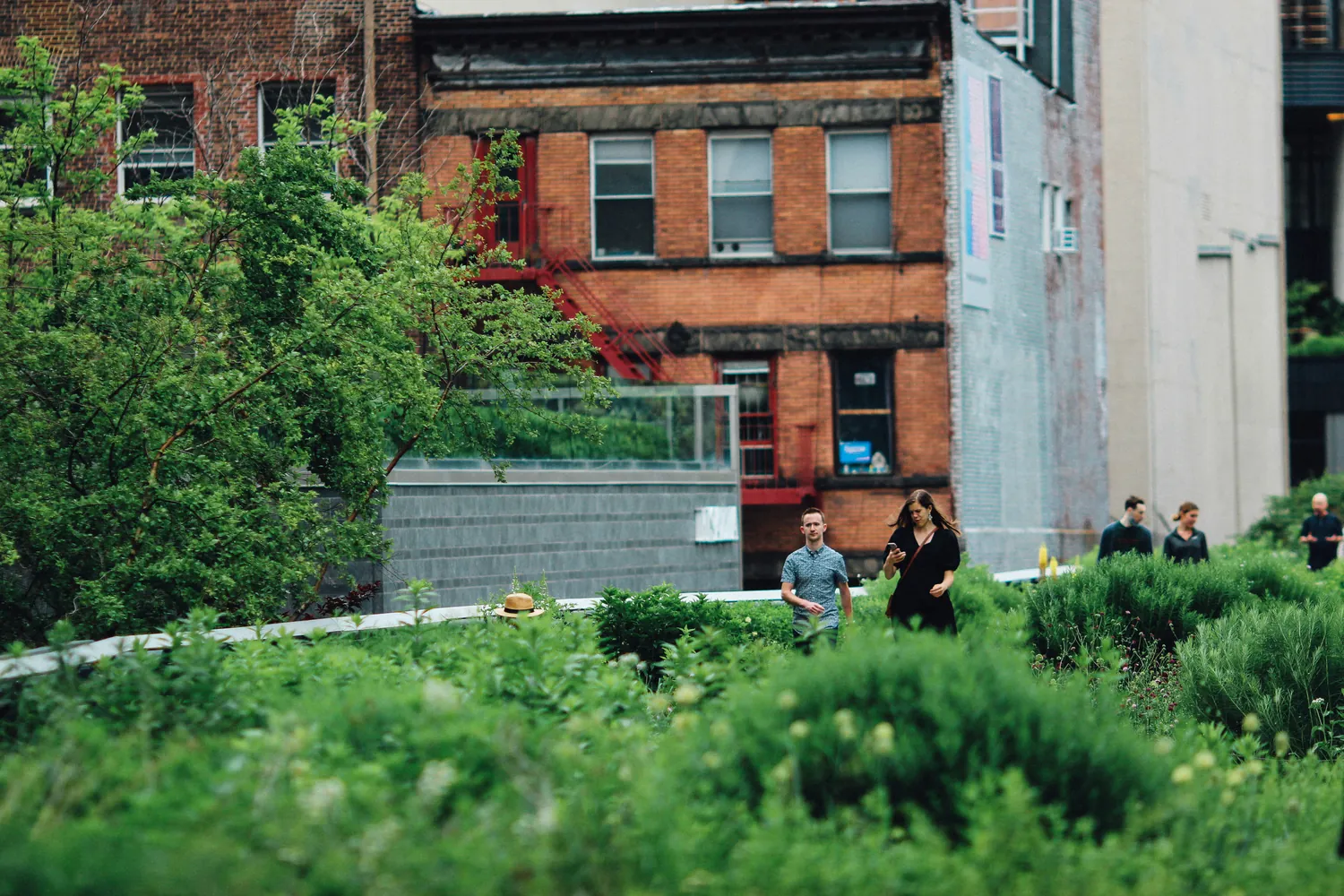
The Rise of Green Roofs in Urban Landscapes
As urban areas continue to grow, the pressure on space within cities increases. Traditional gray infrastructure—buildings, roads, and bridges—dominate, often leaving little room for nature. However, a burgeoning trend towards green roofs is reshaping these concrete jungles. Green roofs, also known as living roofs, are rooftops covered with vegetation.
They serve various ecological and social purposes, from improving air quality to providing habitats for urban wildlife. Yet, one of their most profound impacts lies in the realm of mental health.
The Mental Health Crisis in Cities
Urban living, while full of opportunities, can pose significant challenges to mental well-being. Crowded living conditions, noise pollution, and a fast-paced lifestyle contribute to heightened stress levels among city dwellers. Studies have shown that urban residents are at a higher risk of developing anxiety disorders and depression compared to those living in rural areas.
This reality underscores the need for interventions that integrate mental health support into urban planning. Green roofs offer a promising solution by reintroducing nature into cities, which can have a calming effect on the mind and help reduce stress levels.
The Psychological Benefits of Green Roofs
Reduction in Stress and Anxiety
Exposure to green spaces has long been associated with reduced stress and anxiety. The biophilia hypothesis suggests that humans have an innate affinity for nature. By connecting with green spaces, even if limited to a rooftop garden, individuals can experience psychological benefits such as reduced cortisol levels—a key indicator of stress.
Green roofs provide a retreat from the hustle and bustle of city life. The presence of plants can lower blood pressure and improve mood, making these spaces ideal for relaxation and reflection.
Enhancing Focus and Cognitive Function
The Attention Restoration Theory posits that nature helps replenish our depleted attention resources. Urban environments can lead to mental fatigue due to constant demands on our directed attention. A break in a natural setting can restore focus and improve cognitive function.
Green roofs serve this purpose by offering visually stimulating environments filled with colors and textures that engage the mind without overwhelming it. This passive interaction with nature aids in mental rejuvenation.
Case Studies: New York City and Tokyo
New York City's Pioneering Approach
New York City has embraced green roofs as part of its broader sustainability initiatives. One notable example is the installation atop the Javits Center. This expansive green roof covers nearly seven acres, featuring a diverse array of native plants.
The transformation has not only contributed to energy savings but also created a habitat for local wildlife, including several bird species. Employees working at the center report feeling more relaxed and productive when taking breaks on the roof terrace.
The city government actively encourages private building owners to adopt similar initiatives through tax incentives, recognizing the multifaceted benefits these green spaces provide to residents' mental health.
Tokyo's Innovative Designs
Tokyo, known for its density and limited space, has creatively adapted green roofs to enhance urban living. Rooftop gardens in Tokyo are designed not only as aesthetic elements but as communal spaces for relaxation and social interaction.
The Shibuya Ward Office's rooftop garden is a prime example. The garden is accessible to both employees and the public, offering a serene escape from the city's frenetic pace. Regular programming includes yoga sessions and mindfulness workshops, capitalizing on the tranquil environment to promote mental well-being.
Such initiatives are supported by policies that encourage sustainable urban development, further integrating green roofs into Tokyo's cityscape as essential components of public health strategy.
Challenges and Considerations
Structural Requirements and Costs
One of the primary challenges of implementing green roofs is ensuring that buildings can support the additional weight of soil and vegetation. Retrofitting older structures may require significant investment in strengthening roof supports.
Additionally, the initial cost of installing a green roof can be high. However, when factoring in long-term savings from reduced energy costs and potential tax incentives, many property owners find the investment worthwhile.
Maintenance Needs
Green roofs require regular maintenance to thrive. This includes watering, weeding, and replacing dead plants. Without proper care, a green roof can become unsightly or even detrimental to a building’s structure due to root intrusion or drainage issues.
Nonetheless, employing automated irrigation systems and selecting hardy native plants can mitigate some maintenance challenges, ensuring that green roofs remain a sustainable option for urban developers.
Maximizing Mental Health Benefits: Practical Tips
- Design for Accessibility: Ensure that green roofs are accessible to all building occupants. Creating pathways and seating areas encourages use by people of varying physical abilities.
- Incorporate Diverse Plant Species: A variety of plants can appeal to different senses—sight, smell, touch—enhancing the restorative experience for users.
- Create Spaces for Social Interaction: Incorporate elements like benches or community gardens that promote interaction among users, fostering social connections that are critical for mental health.
- Partner with Local Communities: Engage with local organizations to facilitate events on the rooftop that encourage mental wellness practices like meditation or art therapy workshops.
The Future of Green Roofs in Urban Planning
The trend toward integrating green roofs in city planning is expected to grow as awareness of their mental health benefits increases. By blending ecological sustainability with public health objectives, cities like New York and Tokyo demonstrate how innovative design can enhance quality of life for urban populations.
As more evidence emerges about the positive impact of green roofs on mental health, policymakers may expand incentives for their adoption. The potential to transform urban landscapes into healthier living environments is immense, paving the way for greener, more resilient cities that nurture their residents’ well-being.