Effective Techniques for Teaching Collaborative Skills in Young Learners
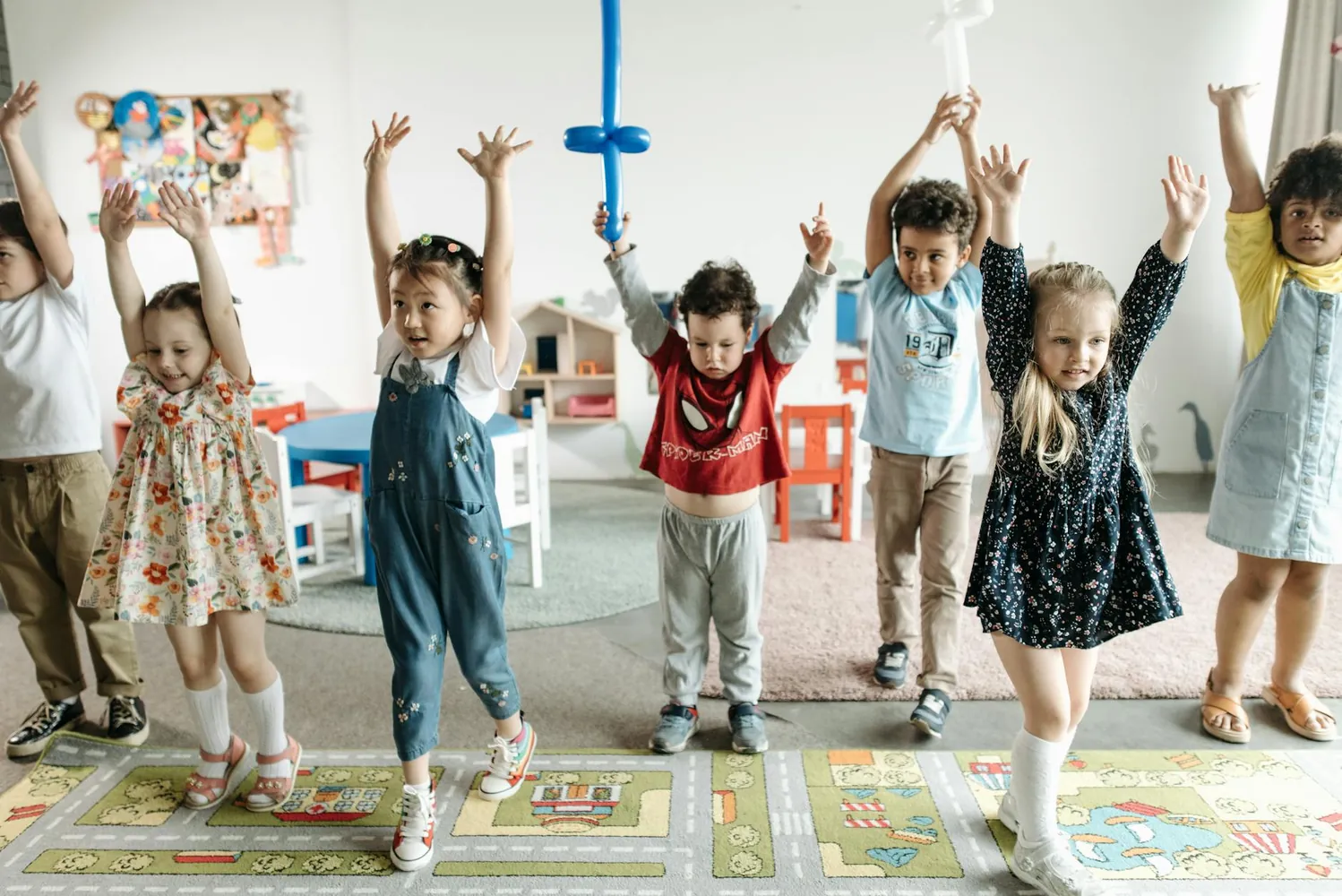
The Importance of Collaborative Skills in Early Education
In today’s interconnected world, the ability to work effectively as part of a team is invaluable. Developing these skills at a young age not only enhances academic success but also prepares students for future challenges in the workplace and community settings.
Collaborative learning encourages communication, nurtures creativity, and fosters an environment of mutual respect and shared goals.
Building Blocks of Collaboration
Collaboration involves several key components: communication, role allocation, and conflict resolution. These skills are best taught through structured group activities where students can practice and refine their abilities.
Communication
Effective communication is the foundation of collaboration. Young learners need to understand how to express their ideas clearly and listen to others. Teachers can introduce activities that focus on active listening and verbal expression.
- Role-Playing Games: Assign students roles in a story and have them discuss their characters' viewpoints, encouraging them to express thoughts clearly.
- Circle Time Discussions: Regular discussions about topics of interest can help students learn to articulate their thoughts and listen actively.
Role Allocation
Assigning roles within a group teaches responsibility and helps balance participation. Start with roles like ‘leader’, ‘recorder’, ‘timekeeper’, and ‘presenter’. Rotate roles regularly to give each student the opportunity to experience different responsibilities.
Conflict Resolution
Conflicts are natural in group settings. Teach students simple strategies to handle disagreements constructively. Encourage the use of ‘I’ statements (e.g., “I feel...” rather than “You always...”) to express feelings without blame.
Strategies for Guiding Group Projects
When guiding young learners through group projects, educators must create structured environments that encourage positive interaction and effective problem-solving.
Clearly Defined Objectives
Provide students with clear, achievable goals for each project. Use visual aids like charts or checklists to help students track progress.
Structured Time Management
Introduce the concept of time management with visual schedules. Set milestones that groups should reach at various points in the project timeline. This helps students learn to plan and prioritize tasks.
Feedback and Reflection
Regular feedback is crucial. Hold short debrief sessions after each activity where students reflect on what went well and what could be improved. Encourage open-ended questions like “What did we learn about working together today?”
Troubleshooting Common Challenges
Even with careful planning, challenges will arise in group work. Here are some common scenarios and solutions:
Unequal Participation
If some students are doing most of the work while others are disengaged, it might be helpful to assign more specific roles or create sub-tasks within larger tasks to ensure everyone has an active part.
Dominating Personalities
For groups dominated by one or two students, gently remind them of the importance of hearing everyone’s voice. Use tools like talking sticks or time limits on speaking turns.
Shy or Reluctant Students
Pair quieter students with supportive peers or assign them roles that require input but don't put them on the spot, like note-taking or research.
A Mini-Framework for Collaborative Learning Projects
This framework can be adapted for various age groups and subjects:
- Preparation: Define objectives, assign roles, set timelines.
- Execution: Facilitate the project with structured guidance; ensure equitable participation.
- Review: Conduct reflection sessions; provide constructive feedback.
This cycle not only enhances collaborative skills but also nurtures a reflective mindset essential for lifelong learning.
The Role of Technology in Collaboration
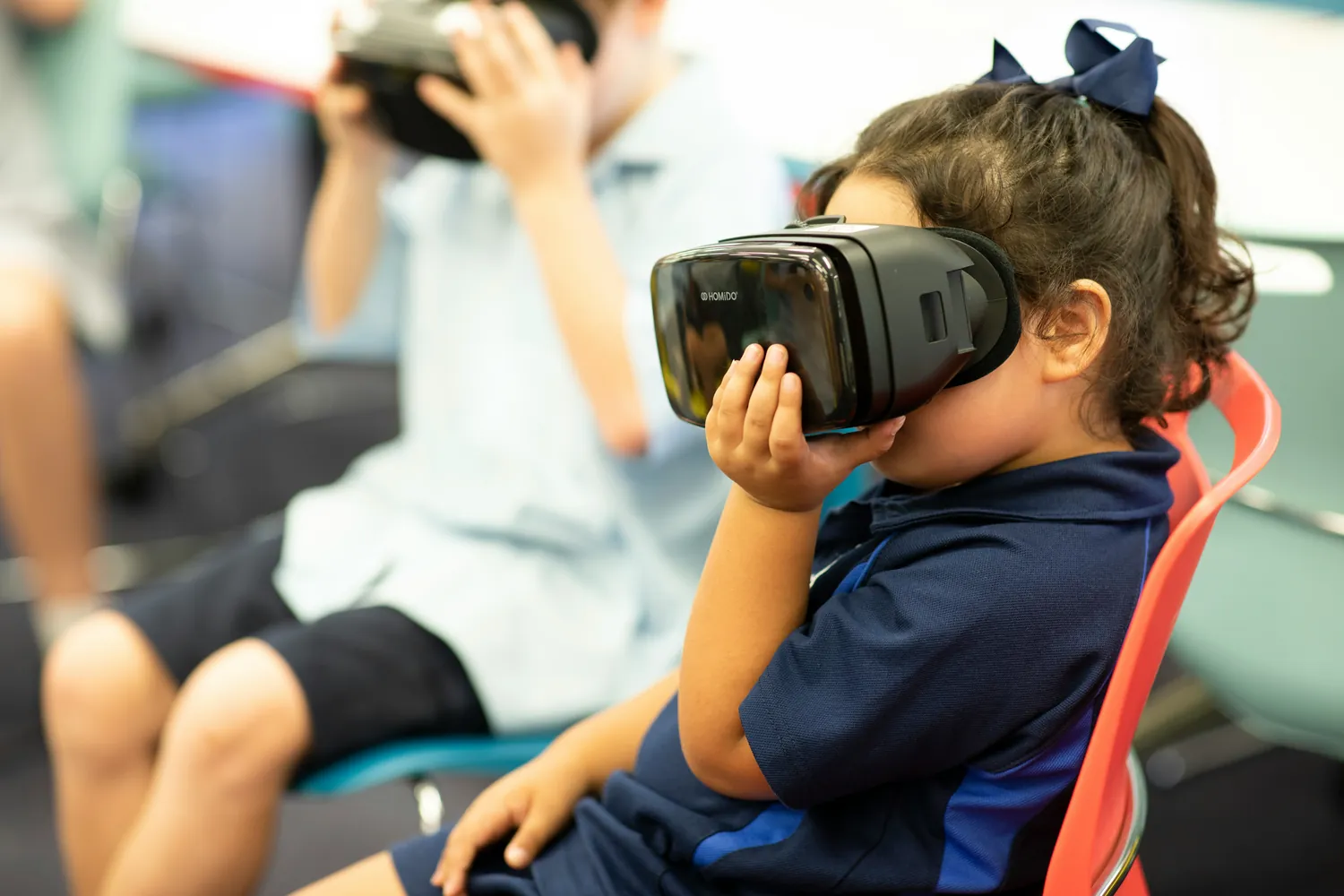
Technology can be an excellent aid in teaching collaborative skills. Use digital platforms like virtual whiteboards for brainstorming sessions or apps that allow for real-time collaboration on projects. However, it's essential to balance screen time with face-to-face interactions to maintain personal communication skills.
Conclusion: Cultivating Future Team Players
By embedding collaborative skills into early education, teachers equip young learners with the tools they need to thrive in all areas of life. Through effective communication, thoughtful role allocation, and constructive conflict resolution, students learn the true power of teamwork and the value of every voice. As educators, our role is to guide, support, and inspire these budding team players as they navigate the exciting world of learning together.