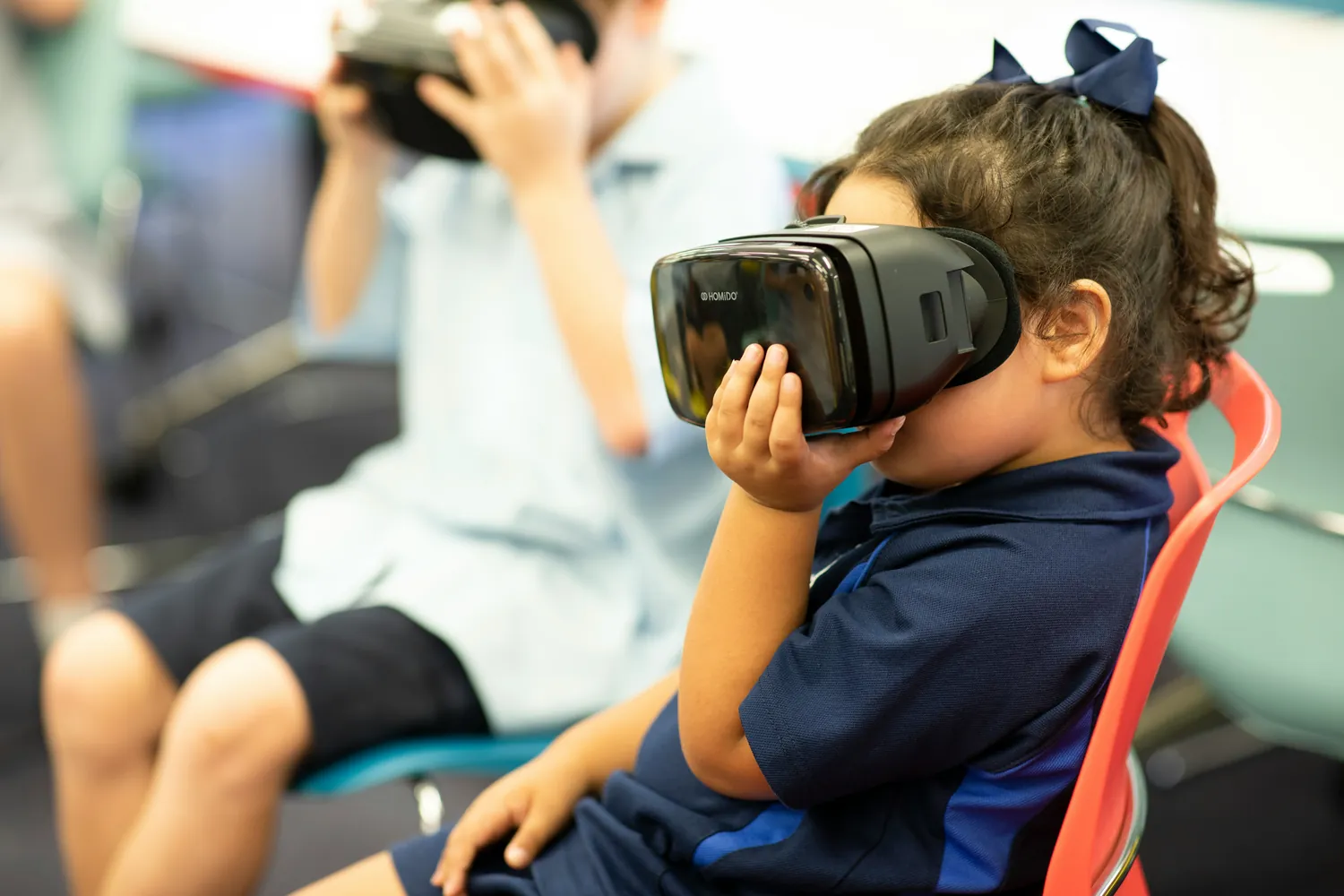
benefits and barriers to integrating technology in educational practices

The Role of Technology in Modern Education
In the rapidly evolving landscape of education, technology plays an increasingly critical role. It not only enhances student engagement but also prepares learners for a technology-driven future. However, integrating technology into educational practices is not without its challenges.
In this article, we'll explore both the benefits and barriers to this integration, offering insights into how educators can effectively navigate this complex terrain.
Benefits of Technology Integration
Enhanced Engagement and Motivation
One of the most significant benefits of integrating technology into education is the enhanced engagement it fosters. Interactive tools such as tablets, smartboards, and educational apps provide dynamic learning experiences that traditional methods often lack. For instance, using a tablet app like Khan Academy allows students to learn at their own pace, providing immediate feedback and interactive exercises.
Furthermore, gamification elements in apps can motivate students by turning learning into a game-like experience. This approach is particularly effective in subjects such as math and science, where abstract concepts can be gamified through challenges and rewards.
Personalized Learning Experiences
Technology enables personalized learning by allowing educators to tailor instruction to meet individual student needs. Learning management systems (LMS) such as Moodle or Canvas track student progress and adapt to their learning styles, offering customized resources and assignments.
This personalized approach ensures that students who need extra help receive it while those who excel can advance more quickly. Such differentiation is crucial in addressing diverse classroom needs and improving overall learning outcomes.
Access to a World of Resources
The internet opens up a vast repository of information and resources previously unavailable in traditional classrooms. Students can access a plethora of educational materials ranging from open courseware from top universities to specialized tutorials on platforms like YouTube or Coursera.
This access is particularly valuable for remote or underserved communities where physical resources might be scarce. A teacher in a rural area, for example, can use online resources to provide a quality education that rivals urban schools.
Barriers to Technology Integration
Infrastructure Challenges
A significant barrier to integrating technology in education is the lack of infrastructure. Many schools, particularly in developing regions, struggle with limited access to reliable internet, insufficient hardware, and inadequate technical support.
To overcome these challenges, institutions can explore partnerships with tech companies for discounted or donated equipment and seek government grants aimed at improving technological infrastructure.
Resistance to Change
Another obstacle is resistance from educators who are either unfamiliar with new technologies or skeptical about their benefits. This resistance can stem from a lack of training or fear that technology may replace traditional teaching roles.
Professional development programs focusing on digital literacy can help educators become more comfortable with technology. Offering workshops and continuous support encourages teachers to experiment with new tools and methodologies confidently.
Cost Constraints
The financial cost of technology integration is also a considerable barrier. Budget constraints often limit schools' ability to purchase necessary equipment or subscribe to valuable digital platforms.
Solutions include investing in open-source software, which can reduce costs significantly. Additionally, forming collaborative purchasing agreements with other schools can leverage buying power for better deals on technology purchases.
Approaches to Effective Integration
Blended Learning Models
An effective approach to integrating technology is through blended learning models that combine traditional classroom methods with online learning activities. These models offer flexibility and ensure that all learning styles are catered to.
- Flipped Classroom: Students learn new content online by watching video lectures at home and apply this knowledge in school with teacher guidance.
- Station Rotation: Students rotate through stations on a fixed schedule; some stations use digital media while others involve teacher-led instruction or collaborative group work.
These models promote active participation and allow teachers to provide more individualized attention during class time.
The Role of Feedback and Assessment Tools
Technology offers advanced feedback and assessment capabilities that can significantly enhance the learning process. Automated quizzes provide instant feedback, enabling students to identify areas for improvement quickly.
Digital portfolios, for example, allow students to showcase their work and progress over time, giving educators a comprehensive view of each student's development. Tools like Google Classroom facilitate seamless communication between teachers and students, ensuring timely feedback loops.
Creating Collaborative Learning Environments
Technology can foster collaboration among students through platforms that encourage communication and teamwork. Tools such as Microsoft Teams, Zoom, or Slack facilitate group projects and discussions beyond the classroom's physical confines.
This collaborative approach prepares students for future workplaces where teamwork and digital communication are essential skills. Teachers can set up virtual labs or forums where students discuss topics and solve problems collectively.
Navigating Ethical Considerations
The integration of technology also brings ethical considerations such as data privacy and equitable access. Educators must ensure that they adhere to privacy laws like GDPR when handling student data.
Equitable access remains a challenge; initiatives to provide devices to all students should be prioritized to prevent widening the digital divide. Schools could consider adopting bring your own device (BYOD) policies if they have robust network security measures in place.
Conclusion: Striking the Right Balance
The successful integration of technology in educational practices requires striking a balance between leveraging its benefits and overcoming its barriers. By carefully planning and implementing strategic approaches, educators can create enriched learning environments that cater to the diverse needs of their students while preparing them for an increasingly digital world.